Many homeowners invest heavily in visible upgrades like new paint, modern furniture, or stylish lighting—yet still lose significant property value due to hidden issues they never notice. These silent problems develop behind walls, under floors, and inside systems, often remaining undiscovered until a home inspection reveals costly surprises.
In today’s competitive real estate market, hidden damage can instantly reduce buyer confidence and lower resale value. Understanding these issues early allows homeowners to protect their investment and avoid expensive last-minute repairs.
Why Hidden Home Problems Are So Dangerous
Hidden problems don’t show obvious warning signs. They progress quietly, affecting structural integrity, safety, and efficiency.
Common reasons they go unnoticed
- Located behind walls or under floors
- Gradual damage without visible signs
- Misinterpreted as “normal aging”
- Lack of regular inspections
By the time symptoms appear, repairs are often extensive and expensive.
1. Mold Growth Behind Walls and Ceilings
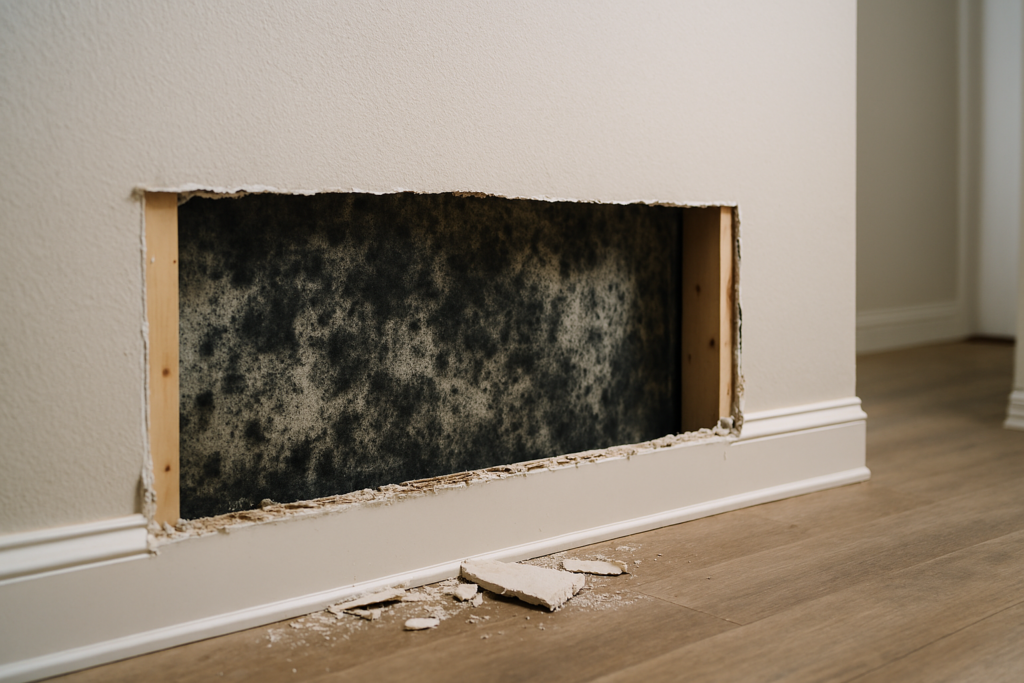
Mold thrives in dark, damp areas created by small leaks or condensation. Once mold develops behind walls, it spreads quickly and becomes difficult to control.
Why mold is a serious issue
- Causes respiratory and allergic problems
- Weakens drywall and wooden structures
- Requires professional remediation
- Reduces buyer trust immediately
Early moisture control is the best defense against mold damage.
2. Water Damage Beneath Floors
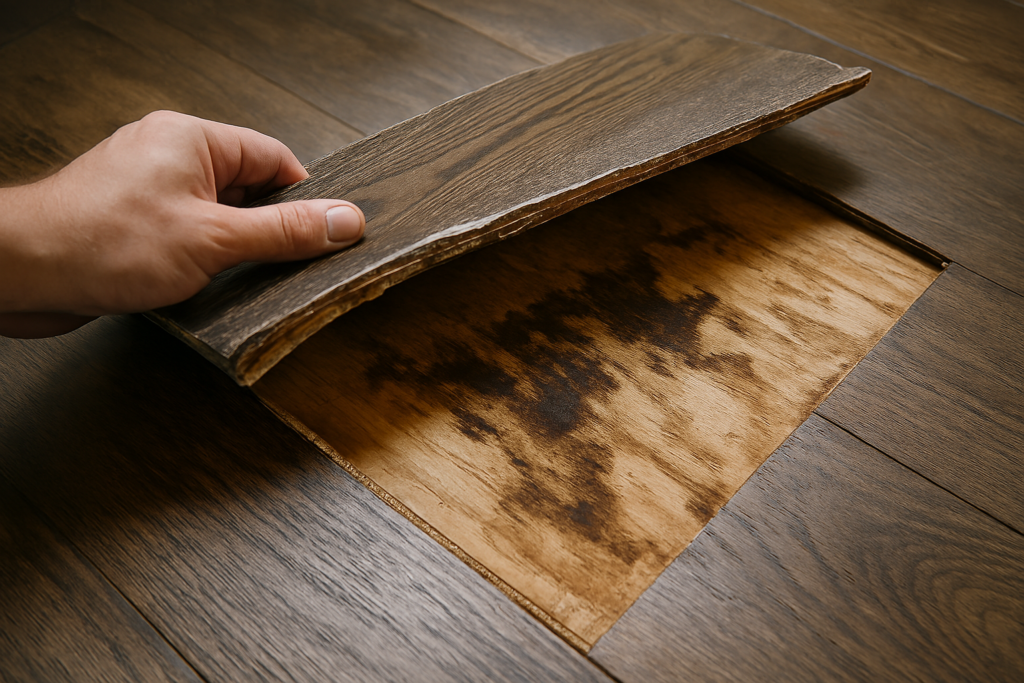
Water leaks from bathrooms, kitchens, or appliances often seep beneath flooring without detection. Over time, moisture damages subfloors and support structures.
Signs of hidden floor damage
- Warped or uneven flooring
- Soft spots underfoot
- Persistent musty odors
- Loose tiles or boards
Ignoring water damage beneath floors can lead to costly structural repairs.
3. Poor or Aging Insulation
Insulation naturally degrades over time. Many older homes suffer from inadequate or damaged insulation, leading to energy loss and discomfort.
Problems caused by poor insulation
- Higher heating and cooling bills
- Uneven indoor temperatures
- Increased moisture buildup
- Reduced energy efficiency ratings
Upgrading insulation is one of the most cost-effective ways to improve home value.
4. Outdated or Faulty Electrical Wiring
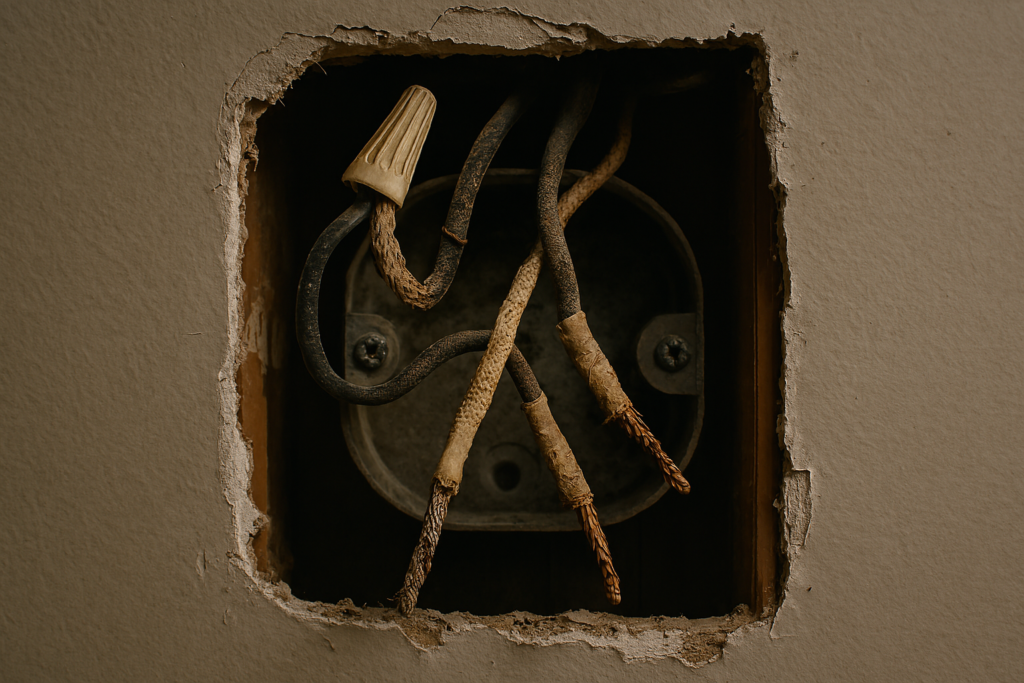
Electrical systems installed decades ago were not designed for modern power demands. Old wiring, overloaded circuits, and outdated panels pose safety risks.
Risks of old electrical systems
- Increased fire hazards
- Frequent breaker trips
- Appliance damage
- Insurance complications
Electrical upgrades improve safety and boost buyer confidence.
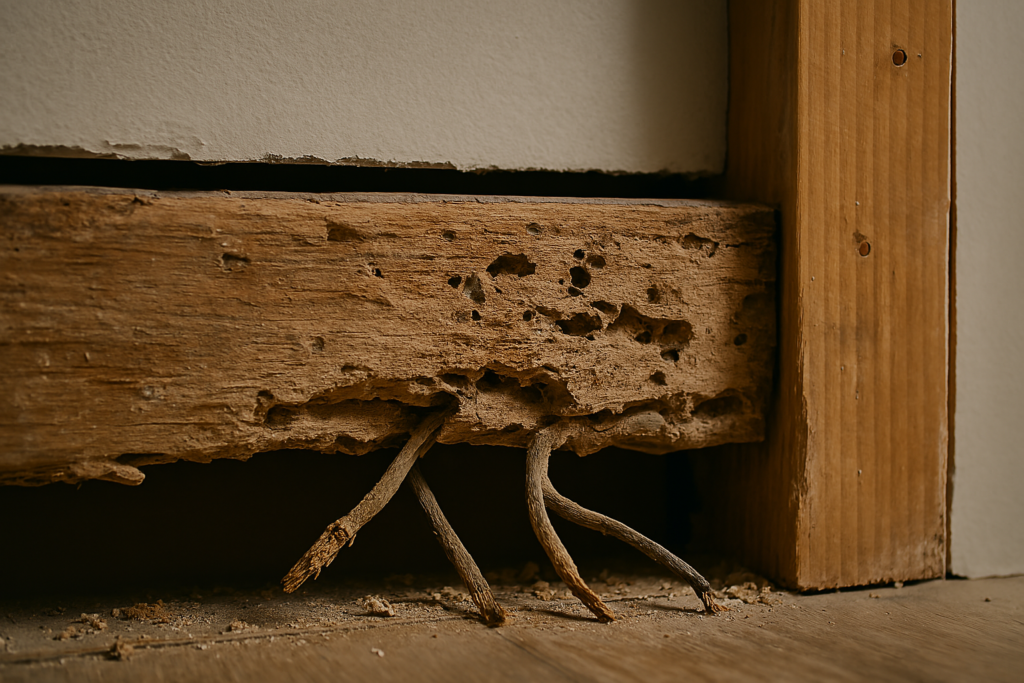
5. Termite and Pest Damage
Termites, rodents, and insects cause continuous damage to wooden structures. Because this damage occurs inside walls and foundations, it often goes unnoticed until severe.
Why pest damage is costly
- Weakens structural wood
- Requires extensive repairs
- Lowers property valuation
- Raises inspection red flags
Regular pest inspections are essential for long-term protection.
6. Poor Drainage and Moisture Control
Improper drainage around a home allows water to collect near the foundation, increasing pressure and moisture infiltration.
Drainage issues can lead to
- Foundation cracks
- Basement leaks
- Mold growth
- Soil erosion
Simple drainage improvements can prevent major structural damage.
Final Thoughts
Hidden home problems may not be visible, but their impact on property value is real and significant. From mold and water damage to faulty wiring and pest infestations, these issues quietly erode both safety and financial worth.
By identifying and addressing problems early, homeowners can protect their investment, maintain resale value, and avoid costly surprises down the line.