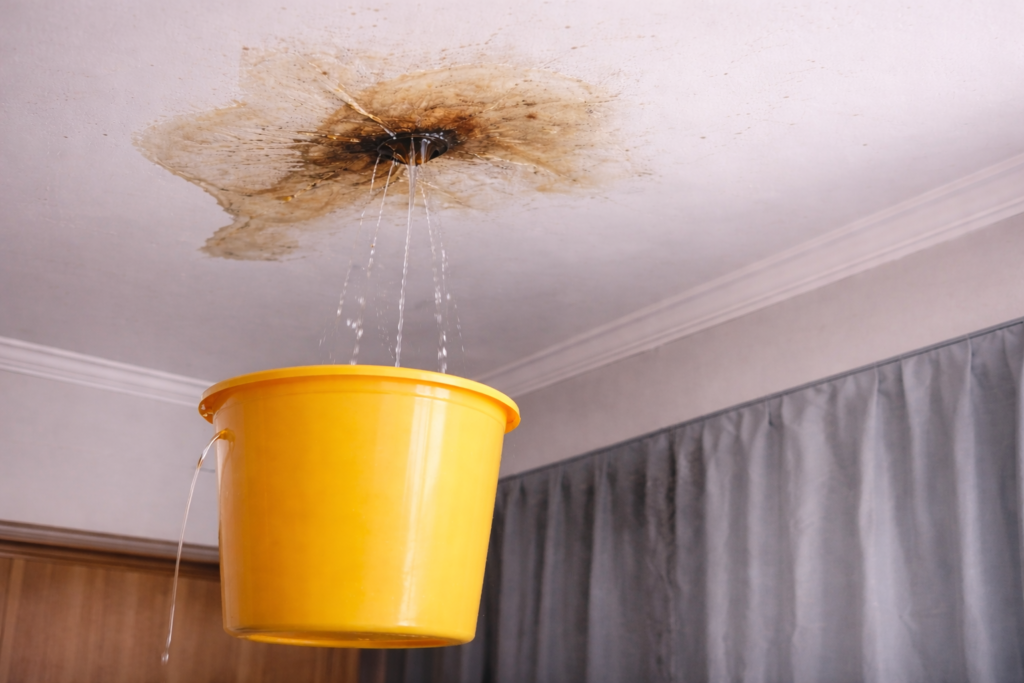
Many homeowners assume that small house problems can wait. A tiny stain on the ceiling, a slow-dripping pipe, or a hairline crack in the wall doesn’t feel urgent—until it suddenly is. The truth is, most expensive home repairs begin as small, easily fixable issues that were ignored for too long.With construction and labor costs rising every year, delaying repairs can multiply expenses dramatically. Understanding which home issues demand immediate attention can protect both your property and your finances.
Why Small Home Problems Become Big Repairs
Home systems are interconnected. A small leak doesn’t just damage pipes—it affects walls, floors, insulation, and even the foundation. Delaying repairs allows moisture, pressure, and wear to spread, increasing both damage and repair complexity.
Common reasons homeowners delay repairs:
- Repairs don’t feel urgent
- Fear of high costs
- Lack of time
- Underestimating the problem
Ironically, postponing repairs usually makes them far more expensive.
Roof Leaks: The Most Expensive Problem When Ignored
Roof damage is one of the most dangerous repairs to delay. A missing shingle or cracked flashing allows water to enter the home, often unnoticed for months.
What happens if roof leaks are ignored:
- Water spreads across ceilings and walls
- Mold develops in hidden areas
- Wooden roof supports weaken
- Insulation becomes ineffective
What could have been a small patch repair can turn into a full roof replacement combined with interior repairs.
Plumbing Leaks That Slowly Destroy Your Home
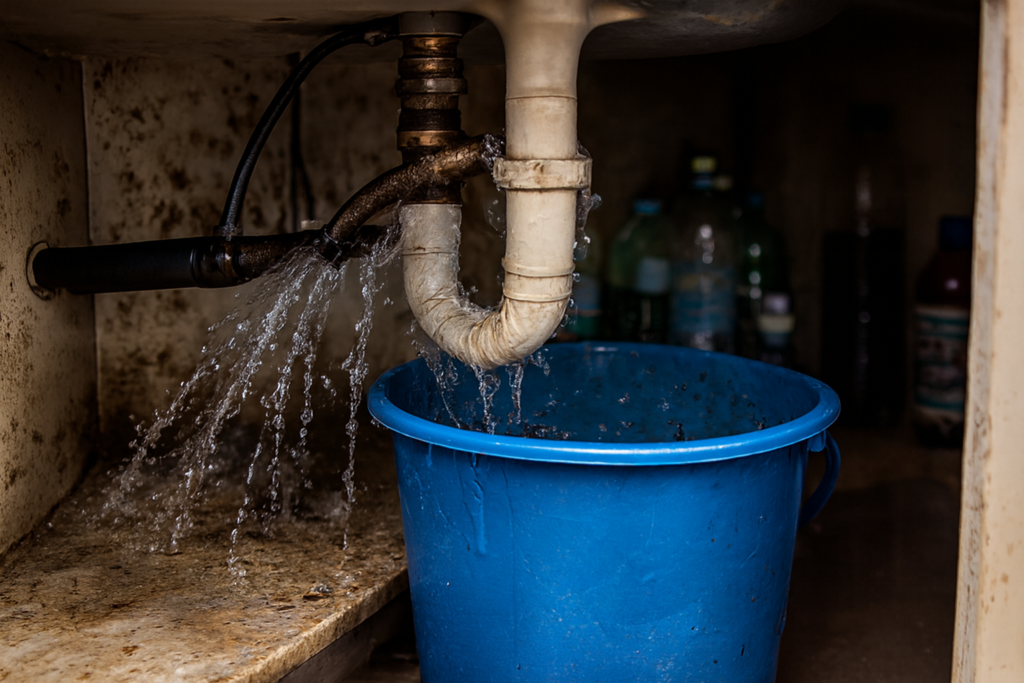
Plumbing issues rarely stay contained. A slow drip under a sink or inside a wall continuously exposes materials to moisture.
Hidden consequences of plumbing leaks:
- Mold and mildew growth
- Rotting cabinets and flooring
- Damage to drywall and paint
- Increased water bills
Because these leaks are often hidden, they cause significant damage before homeowners notice any warning signs.
Foundation Cracks: Early Signs of Structural Trouble
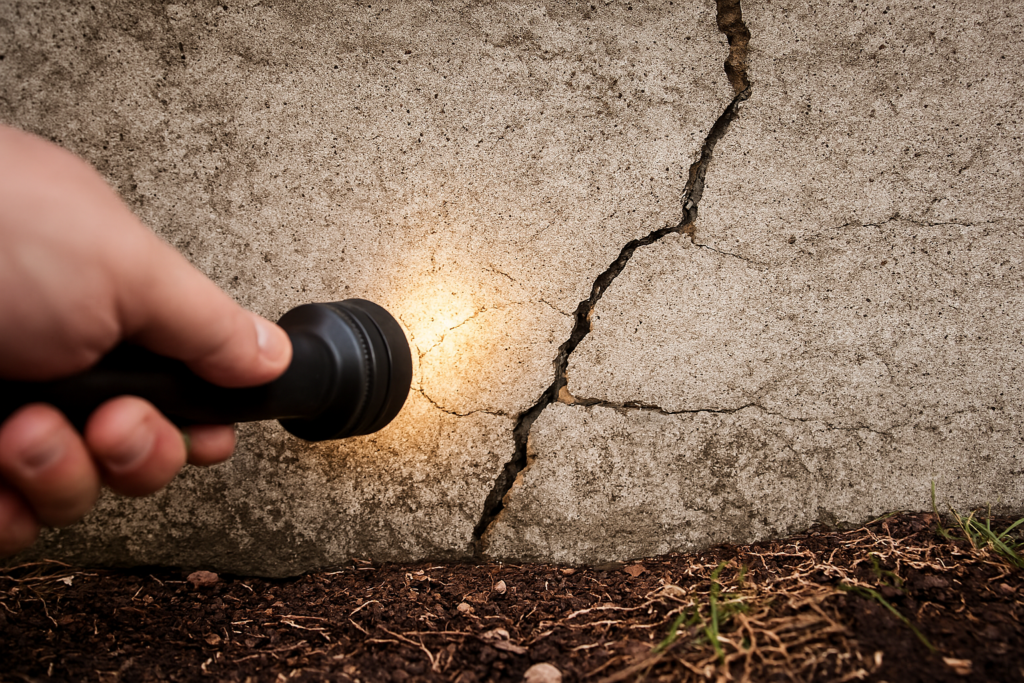
Cracks in walls, floors, or around doors and windows are often dismissed as settling. While some cracks are harmless, others signal serious foundation movement.
Signs foundation issues are worsening:
- Doors and windows sticking
- Uneven floors
- Expanding wall cracks
- Gaps between walls and ceilings
Foundation problems worsen over time and can drastically reduce property value if left untreated.
Electrical Issues That Put Lives at Risk
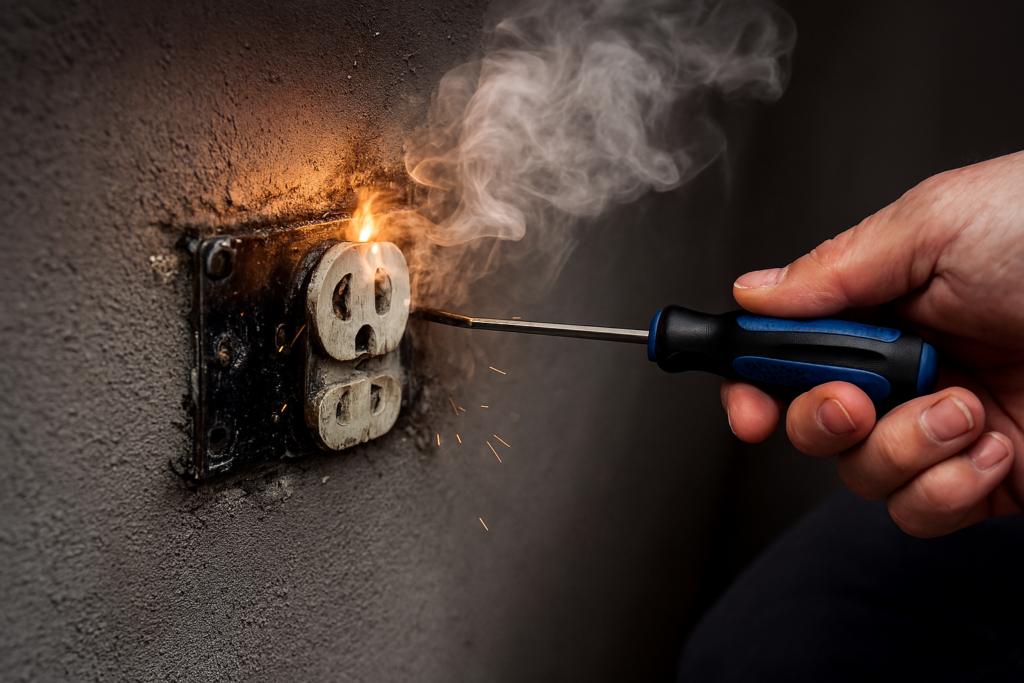
Electrical problems should never be delayed. Outdated wiring, overloaded circuits, and damaged outlets are major fire hazards.
Warning signs of electrical trouble:
- Flickering or dimming lights
- Burning smells near outlets
- Frequently tripping breakers
- Warm or sparking sockets
Electrical repairs protect not only your home but also the safety of everyone inside.
Moisture Damage and Mold Growth
Moisture is one of the most destructive forces in a home. Even small moisture problems can quickly lead to mold growth.
Why mold is dangerous:
- Causes health issues
- Spreads behind walls and ceilings
- Requires expensive remediation
Addressing moisture sources early is the best way to prevent mold-related repairs.
Pest Damage That Weakens Structure
Termites, rodents, and insects cause damage silently and continuously.
Common pest-related problems:
- Chewed wiring
- Weakened wooden beams
- Structural instability
Pest damage often goes unnoticed until severe structural repairs are needed.
How Ignored Repairs Impact Property Value
Unresolved maintenance issues reduce your home’s resale value and make inspections difficult.
Long-term consequences include:
- Lower appraisal value
- Failed inspections
- Higher insurance premiums
- Reduced buyer interest
Maintaining your home protects your investment and resale potential.
Smart Home Maintenance Habits That Save Money
Proactive homeowners prevent expensive repairs by staying consistent with maintenance.
Best practices include:
- Regular home inspections
- Fixing issues immediately
- Seasonal maintenance checks
- Keeping moisture under control
Preventative maintenance costs far less than emergency repairs.
Final Thoughts
Ignoring home repairs doesn’t save money—it delays the inevitable and increases the cost. Small problems have a way of growing quietly until they demand immediate and expensive attention. By addressing repairs early, homeowners can avoid emergencies, protect property value, and enjoy peace of mind.
A well-maintained home is not just safer—it’s significantly more affordable in the long run.